Tunis Food Tours — Medina Walks, Street Food, and Cooking Classes
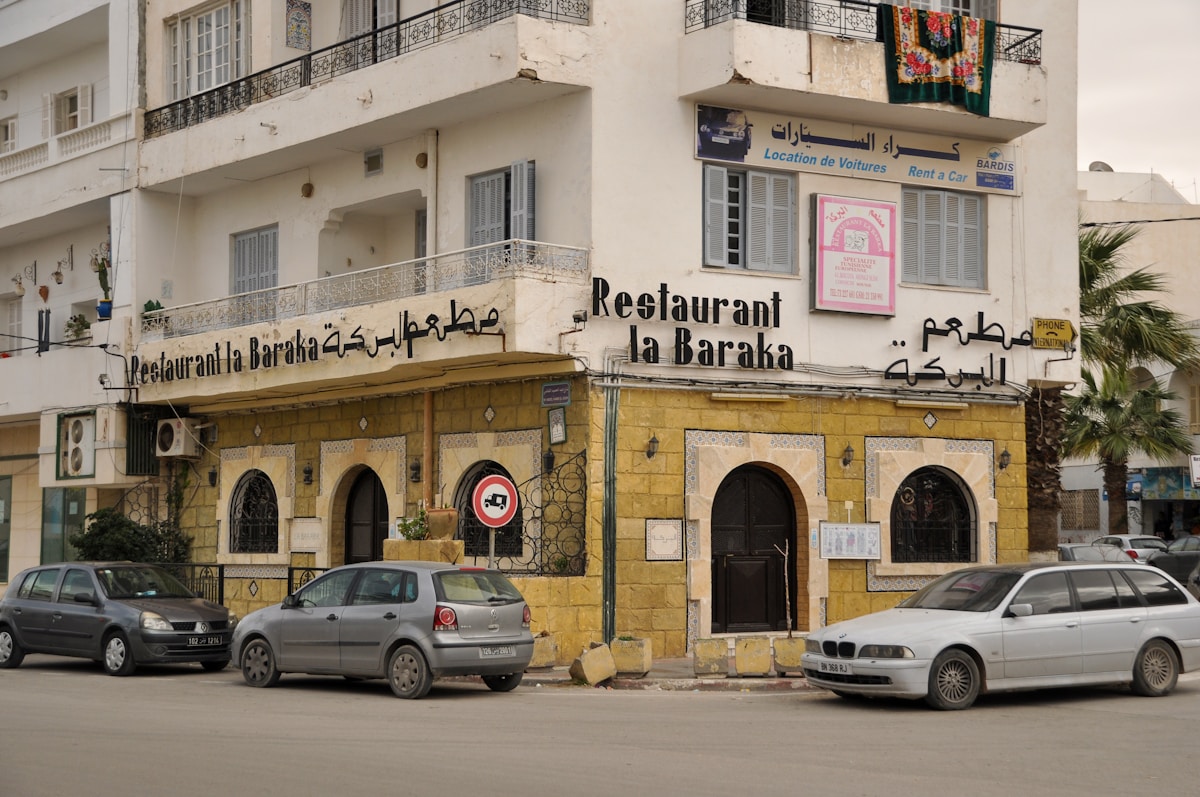
Tunisian cuisine is built around harissa, olive oil, preserved lemons, couscous, and seafood — a distinctly North African kitchen shaped by Berber, Arab, Ottoman, and Mediterranean influences. Tunis, as the capital, has the widest range: from ancient medina kitchens serving dishes unchanged for centuries to contemporary restaurants in La Marsa that reinterpret traditional ingredients.
A food tour of Tunis covers both registers. This guide covers the best street food spots, the central market, organised food tour operators, and cooking class options — with named venues, realistic prices in TND, and practical logistics.
Street Food in the Tunis Medina
The Tunis medina is the best place to eat through Tunisian street food systematically. The area around the Zitouna Mosque, Rue Jemaa Zitouna, and the streets south toward Bab El Bhar concentrate the highest density of snack stands, hole-in-the-wall kitchens, and inexpensive sit-down restaurants.
Brik: The most recognisable Tunisian snack — a thin pastry sheet (malsouka) wrapped around a filling of egg, tuna, capers, and parsley, then deep-fried until crispy. A single brik costs 2–4 TND as of 2026. Eat standing up at the stand; the egg inside is usually just set and the pastry shatters on cutting. Look for the griddle-side stalls on Rue de la Kasbah and near the Bab El Bhar sea gate.
Lablabi: Tunisian chickpea soup, served in a deep bowl over bread torn into chunks, topped with a raw egg, harissa paste, cumin, and a drizzle of olive oil. The bowl arrives at the table and you mix everything together. Cost: 3–6 TND as of 2026. Best in the morning — lablabi is a breakfast and early lunch dish. Try Restaurant Mabrouk near Bab Souika in the northern medina, one of the oldest lablabi spots in Tunis.
Fricassé: A small fried bread roll (about 10 cm) split open and filled with tuna, harissa, Tunisian olives, boiled egg, and lemon-dressed salad. It is the archetypal Tunis street snack and costs 2–3 TND as of 2026. Look for fricassé vendors on Avenue de France near the entrance to the Ville Nouvelle, and on Rue Mongi Slim near Marché Central.
Kafteji: A vegetable fry-up of tomato, pepper, courgette, and potato, all chopped small and cooked together in olive oil, served with a fried egg on top. Available at small restaurants throughout the medina for 6–10 TND as of 2026.
Zlabia: A spiral-shaped deep-fried honey pastry, bright orange and intensely sweet, sold in the souks by weight. Zlabia stalls appear in the medina around Ramadan in large quantities but operate year-round near the spice souks. Cost: approximately 8–12 TND per 250g as of 2026.
Marché Central — Tunis Central Market
Marché Central (Rue Charles de Gaulle, Ville Nouvelle) is the main covered food market of Tunis. It is one of the more atmospheric food spaces in the city — a 19th-century covered hall built during the French protectorate period, still operating as a working market rather than a tourist destination.
What’s sold: The fish section dominates the ground floor — dentex, sea bream, bass, red mullet, octopus, and cuttlefish, all landed from Tunisian ports. The meat section runs alongside it. Around the perimeter, stalls sell local olives (including the dark, wrinkled beldi variety and the green Sahel olives in brine), dried spices, harissa paste in jars, preserved lemons, and dried fig bars.
For visitors: Walking the market is free and takes about 30–40 minutes. The best time to arrive is 07:00–09:00 when the fish is freshest and the market is in full commercial operation. Many food tour operators start or finish here.
Opening hours: Monday–Saturday, 06:00–14:00. Closed Sunday.
Location: From Bab El Bhar (the sea gate at the edge of the medina), walk west along Avenue de France for about 400m, then right on Rue Charles de Gaulle. The market entrance is on the left.
Organised Food Tour Operators
GetYourGuide (search “Tunis food tour”) lists the widest range of current guided food experiences. Prices and operators change seasonally, but typical offerings include:
-
Medina food walk (3–4 hours): Covers 4–6 tasting stops across the medina and Bab El Bhar area. Cost: approximately 100–180 TND per person as of 2026. Typically departs morning, finishing with a sit-down meal. Maximum group size varies by operator — check listings for private vs shared tour options.
-
Street food and market tour (2.5–3 hours): Combines Marché Central with a medina circuit, focusing on snack foods. Cost: approximately 80–140 TND per person as of 2026.
-
Private food and culture tour: Full-day private tour covering medina food, a market visit, and lunch at a traditional restaurant. Cost: approximately 400–600 TND for up to 4 people as of 2026.
Marhaba Tunisia is an independent tour operator based in Tunis that runs small-group food walks; their medina food tour runs 3.5 hours and costs approximately 150 TND per person as of 2026. They also connect visitors with home cooking experiences.
Tunisia Culinary Tours offers day-long experiences that combine market visits, cooking with a host family, and a meal. These run approximately 280–380 TND per person as of 2026.
Traditional Restaurants in the Medina
For a sit-down experience in a historic setting, several medina restaurants operate from converted palace buildings and offer traditional multi-course Tunisian meals.
Dar El Jeld (12 Rue Dar El Jeld, near the Zitouna Mosque) is consistently regarded as the best traditional restaurant in Tunis. It operates from a restored 18th-century townhouse with tile-work, carved stucco, and painted ceilings. A three-course traditional Tunisian menu costs approximately 70–120 TND per person as of 2026, plus drinks. Reservation required; book a day or two ahead.
Restaurant Essaraya (6 Rue Ben Mahmoud) is a similar dar setting and slightly less formal. Mains cost approximately 30–50 TND as of 2026. Popular with local professionals at lunchtime.
Restaurant Mabrouk (Rue Sidi Mehrez, near Bab Souika) is one of the most genuine medina restaurants — simple tables, no tourist markup, and excellent lablabi and couscous. A full meal costs 10–18 TND as of 2026.
Cooking Classes in Tunis
Cooking classes in Tunis typically run 3–4 hours and culminate in a shared meal. They cover the core techniques of Tunisian cooking: making malsouka pastry from scratch, preparing harissa paste, cooking couscous properly (not just steaming), and constructing a tagine.
Dar El Jeld Cooking Experience: The restaurant offers private cooking sessions with its kitchen team, typically on weekday mornings. Cost: approximately 300–400 TND per person as of 2026 for a 3–4 hour session including lunch. Requires advance booking; maximum 6 participants.
GetYourGuide cooking classes: Search “Tunis cooking class” for current listings. Prices typically run 180–280 TND per person for a half-day session with a home or restaurant kitchen. Classes held in private homes tend to be more personal and less polished than restaurant-based ones — both are worth considering.
What to expect: Most classes cover 3 dishes — a starter (usually brik or a salad such as mechouia, a roasted pepper and tomato salad), a main (couscous with lamb or merguez, or a slow-cooked ragine of chickpeas and vegetables), and a pastry. You cook, then eat what you made. Dietary requirements can usually be accommodated with advance notice.
La Marsa and Sidi Bou Said — Cafe and Restaurant Scene
The northern suburbs of Tunis — particularly Sidi Bou Said and La Marsa — have a strong cafe culture and a growing restaurant scene that works from the same ingredients as the medina but in more contemporary settings.
Cafe des Nattes in Sidi Bou Said is the classic perch for mint tea and pine nut-topped pastries while watching the blue-and-white village below. It costs approximately 6–12 TND for tea and pastries as of 2026. It is photographed relentlessly and there are often queues.
Restaurant du Golfe (La Marsa seafront) is a reliably good fish restaurant with views of the Bay of Tunis. Grilled sea bream or dentex: approximately 40–65 TND as of 2026.
Getting there from Tunis medina: The TGM (Tunis-Goulette-Marsa) light rail connects Bab El Bhar (Tunis Marine station) to Sidi Bou Said in about 25 minutes and La Marsa in 35 minutes. Tickets cost approximately 1.5–2.5 TND each way as of 2026.
Practical Tips for Eating in Tunis
When to eat: Lunch is the main meal in Tunisia and runs 12:00–15:00. Many traditional restaurants close in the evening or have limited dinner service. Plan to eat the most serious meal of the day at lunch, with lighter street food in the morning and evening.
Harissa: Most dishes arrive assuming you like harissa. If you prefer less heat, ask for harisssa chwayya (a little harissa) when ordering.
Water: Drink bottled water. Tap water in Tunis is treated but has a mineral taste that most visitors prefer to avoid in hot weather.
Cash: Street food vendors and small medina restaurants are cash only. Keep TND in small denominations — 5 and 10 TND notes work for most transactions.
Food tour bookings: Book food tours 1–3 days in advance during peak season (July–September). Most operators can accommodate same-day or next-day bookings in spring and autumn.
Frequently Asked Questions
- What is the best street food to eat in the Tunis medina?
- Brik (a crispy fried pastry filled with egg, tuna, and capers) is the most distinctive Tunisian street food and widely available in the medina for 2–4 TND per piece as of 2026. Lablabi (chickpea soup with harissa, cumin, and bread) is a filling breakfast dish for 3–6 TND. Fricassé (a small fried sandwich with tuna, harissa, olives, and boiled egg) is the go-to snack near the central market for 2–3 TND.
- How much does a Tunis food tour cost?
- Organised guided food walking tours of the Tunis medina typically cost 100–180 TND per person as of 2026, covering 4–6 stops including street food tastings and a sit-down dish. Private tours cost more — approximately 250–400 TND for a group of up to 4. Cooking classes run 180–280 TND per person for a 3–4 hour session including a meal.
- What is Marché Central in Tunis?
- Marché Central (Central Market) is Tunis's main covered food market, located on Rue Charles de Gaulle near the Ville Nouvelle. It sells fresh fish, meat, produce, olives, dried spices, and prepared foods. The market is open Monday to Saturday, 06:00–14:00. Entry is free. It is both a practical food shopping destination and a good place to understand what Tunisians actually cook.
- Where can I take a Tunisian cooking class in Tunis?
- Several operators run cooking classes in Tunis, including Dar El Jeld (which offers private cooking experiences from approximately 350 TND per person as of 2026) and independent culinary instructors listed on GetYourGuide. Classes typically cover a three-course Tunisian meal: a starter of brik or kafteji, a main of couscous or lamb tagine, and a pastry like makroudh. Most classes run 3–4 hours and include lunch.
Book Tours & Experiences in Tunisia
Find guided day trips, Sahara tours, cultural circuits, and city experiences — all bookable online before you arrive.
Browse tours on GetYourGuide →Best price guaranteed — same price as booking direct. We earn a small commission at no extra cost to you.