Health & Vaccinations for Tunisia: What You Need Before You Go
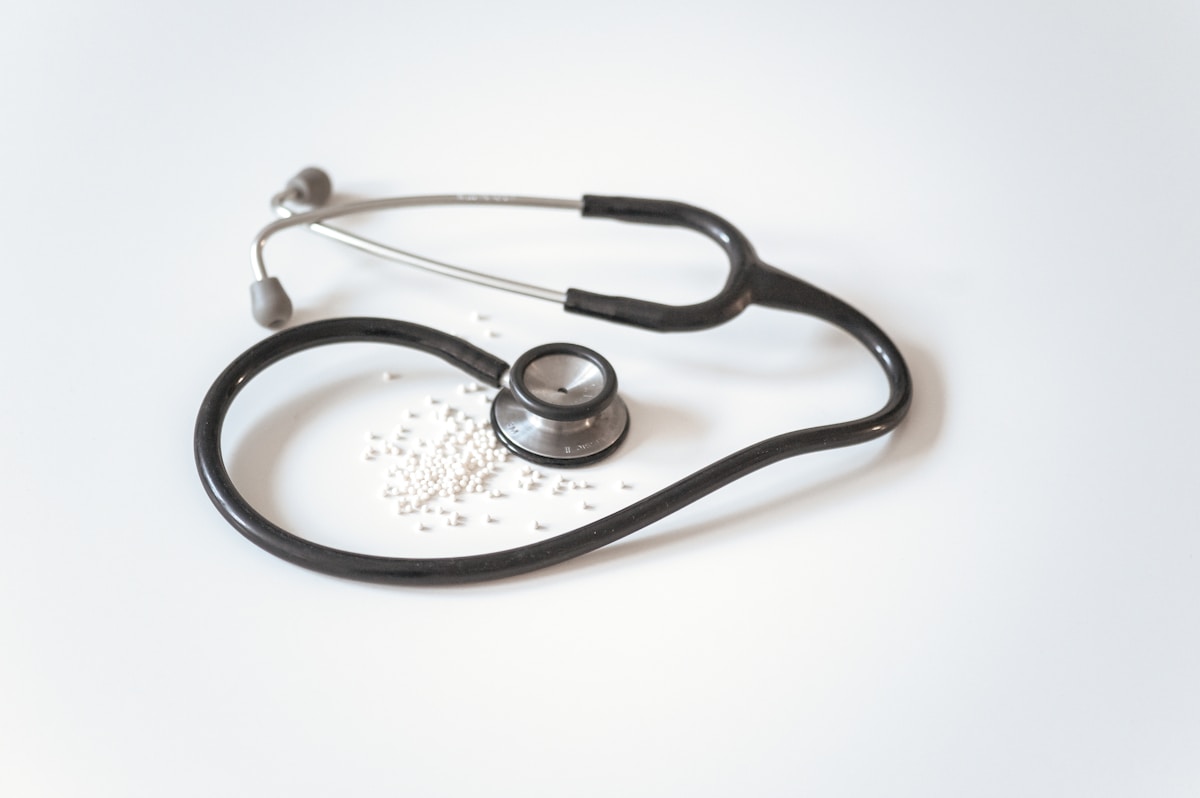
Tunisia does not require proof of vaccination for entry from most countries, but that doesn’t mean no preparation is needed. The sensible precautions — being up to date on routine jabs, knowing where to find a pharmacy, and having health insurance that covers medical repatriation — make the difference between a minor inconvenience and an expensive emergency.
This guide covers what vaccinations to consider, how to handle food and water safely, and where to access medical care across the main tourist destinations.
Entry requirements: mandatory vaccinations
As of 2026, Tunisia has no mandatory vaccination requirements for visitors arriving from most countries. Yellow fever vaccination is required only if you are travelling from or transiting through a yellow fever endemic country (parts of sub-Saharan Africa and South America). Always verify current entry requirements with the Tunisian embassy or your own government’s travel health service before departure, as requirements can change.
Recommended vaccinations
These are not mandatory but recommended by most travel health clinics for visitors to Tunisia:
Hepatitis A. Strongly recommended. Hepatitis A is transmitted through contaminated food and water — the risk in Tunisia, particularly for those eating from street food stalls or smaller restaurants with variable hygiene standards, is real. A two-dose course gives long-term protection. If you haven’t had this vaccine before, get it at least two weeks before travel.
Typhoid. Recommended for most visitors, particularly those planning to stay for more than a short beach holiday, travel to rural areas, or eat widely from local food sources. Vaccine options include an oral course and a single injection. Both are effective.
Hepatitis B. Worth considering for longer stays, or for those who may need medical treatment or dental work during their trip. Hepatitis B is transmitted via blood or bodily fluids, including through poorly sterilised medical equipment.
Tetanus and diphtheria. Standard travel health advice recommends being up to date on routine vaccinations. The combined Td/Tdap booster is typically recommended if more than ten years have passed since the last dose.
Rabies. Only relevant for those planning extended rural travel, work with animals, or adventure activities in remote areas. Rabies exists in Tunisia but the risk for standard tourists is very low. Pre-exposure vaccination is an option if you want to travel without worrying about post-bite treatment availability.
Routine vaccinations. Measles-mumps-rubella (MMR), chickenpox, and annual flu jab should be up to date regardless of destination.
Consult a travel health clinic or your GP at least 4–6 weeks before departure to allow time for multi-dose courses. Many high-street pharmacies in the UK and equivalent outlets in other countries now offer travel vaccination appointments.
Food and water safety
Tap water: Tap water in Tunisia is chlorinated and treated. In Tunis and the major cities, it meets basic potable standards — Tunisian locals drink it. That said, travellers’ digestive systems are often not accustomed to local water treatment profiles, and mild stomach upsets from tap water are a common complaint among visitors. Using bottled water (which is very cheap — approximately 0.5 TND for a 1.5-litre bottle as of 2026) for drinking and tooth-brushing is the safest approach.
Ice: Ice in tourist hotels and established restaurants is generally made from filtered or bottled water. At smaller establishments, this cannot be assumed. If in doubt, drink without ice.
Food hygiene: Cooked food served hot from busy local restaurants is generally safe. The risk is highest with:
- Raw salads and uncooked vegetables at smaller establishments (particularly in rural areas).
- Shellfish and seafood at non-tourist-facing restaurants during summer (July–August), when warm temperatures accelerate spoilage.
- Street food from stalls with slow turnover.
Busy local restaurants with high footfall are usually a better bet than empty tourist-facing restaurants — high turnover means fresher ingredients.
Sun and heat: The risk from dehydration and heatstroke is significant between June and September, especially at open archaeological sites like El Jem, Carthage, and Dougga. Carry at least 1.5 litres of water, wear a hat, use SPF 50+ sunscreen, and plan outdoor site visits for the morning or late afternoon.
Pharmacies
Tunisia has a wide network of pharmacies (pharmacies in French and Arabic; look for the green crescent/cross sign). They are well-stocked with standard medications — pain relief, antihistamines, rehydration salts, antidiarrhoeal drugs, antibiotics (available over the counter in many cases), and common travel health supplies.
Tunis:
- Pharmacies are found on almost every major street in the city centre, La Marsa, and the Bab Bhar / Avenue Habib Bourguiba area.
- Many pharmacists speak French and some speak English.
- A rotating night duty system (pharmacie de garde) ensures at least one pharmacy per area is open 24/7. The duty pharmacy is posted at the door of all other pharmacies in the area.
Sousse: Well-served along the main tourist strip (Boulevard Taïeb Mhiri and the medina area). Pharmacies in the Zone Touristique are used to dealing with tourists and common travel health requests.
Hammamet: Pharmacies available in both the old town (Hammamet Nord) and Hammamet Yasmine. Most zone touristique pharmacies are reasonably stocked.
Djerba: Several pharmacies in Houmt Souk (the main town) and smaller outlets in the main resort areas. The night-duty rotation applies here too.
Djerba and Tozeur: In more remote areas, prescription medications and specialist supplies may be harder to find. Bring adequate supplies of any prescription medication, plus a written note from your doctor describing the medication and its purpose (useful at customs if questioned).
Medical facilities
Tunis: The capital has the best medical infrastructure in the country. Private clinics are generally better equipped and faster than the public hospital system for non-emergency care:
- Clinique Les Berges du Lac (Les Berges du Lac district): well-regarded private clinic with good English and French-speaking staff and modern diagnostic equipment.
- Clinique El Manar (Tunis): another commonly used private clinic with a range of specialist departments.
- Clinique La Rose (Mutuelleville area): used by expatriates and long-term visitors.
- Charles Nicolle Hospital (public): the main public hospital in Tunis — adequate for emergencies but with longer waits than private clinics.
Expect to pay approximately 80–150 TND for a private clinic consultation (as of 2026), plus any diagnostic or treatment costs. Keep receipts for insurance claims.
Sousse:
- Clinique Sahloul (public teaching hospital on the outskirts of Sousse): capable of handling most emergency situations.
- Private clinics in Sousse city centre can handle routine issues and minor injuries.
Djerba:
- Hôpital de Djerba (public hospital in Houmt Souk): adequate for stabilisation and standard emergencies.
- Zone touristique hotels often have in-house medics or a contract with a nearby clinic — check with your hotel on arrival.
Tozeur and southern Tunisia:
- Medical facilities are more limited south of Gafsa. The nearest well-equipped hospital for a visitor in Tozeur or Douz may be an hour or more away. For any serious condition in the south, medical evacuation to Tunis may be the appropriate response — which is exactly why travel insurance with repatriation cover is essential.
Travel insurance
The EU’s EHIC/GHIC card does not apply in Tunisia. Tunisia is outside the reciprocal health care agreements of the EU and UK. This means any medical treatment — including emergency hospital treatment — must be paid for upfront and claimed back through your own travel insurance.
A policy covering:
- Emergency medical treatment (minimum €100,000 / equivalent)
- Medical evacuation and repatriation
- Trip cancellation and curtailment
- Lost or stolen possessions
…is the minimum recommended coverage for Tunisia. See our full Tunisia travel insurance guide for what to look for in a policy, or get coverage via our recommended insurance partner before you travel.
If you’re spending time in the desert south or planning adventure activities (camel treks, quad bikes, 4WD excursions), check that your policy explicitly covers those activities — some standard travel policies exclude “adventure activities.”
Medications to bring
A basic travel medical kit for Tunisia:
- Oral rehydration sachets (particularly important for summer travel)
- Imodium or equivalent antidiarrhoeal
- Broad-spectrum antibiotic (prescribed by your GP before departure — useful if you develop a clear bacterial infection in an area with limited immediate medical access)
- Antihistamine (for allergies and insect reactions)
- Ibuprofen and paracetamol
- SPF 50+ sunscreen
- Insect repellent (DEET-based, especially for evenings in summer)
Tunisia is not a high-risk malarial destination — malaria is not present in the main tourist areas. Mosquito repellent is still worth using in summer, as mosquito activity is high in coastal resort areas after dark.
Plan Your Trip
✈️ Book your flights to Tunisia 🛡️ Get travel insurance 📱 Stay connected with an eSIM 🚗 Rent a car