Solo Travel in Tunisia: Everything You Need to Know
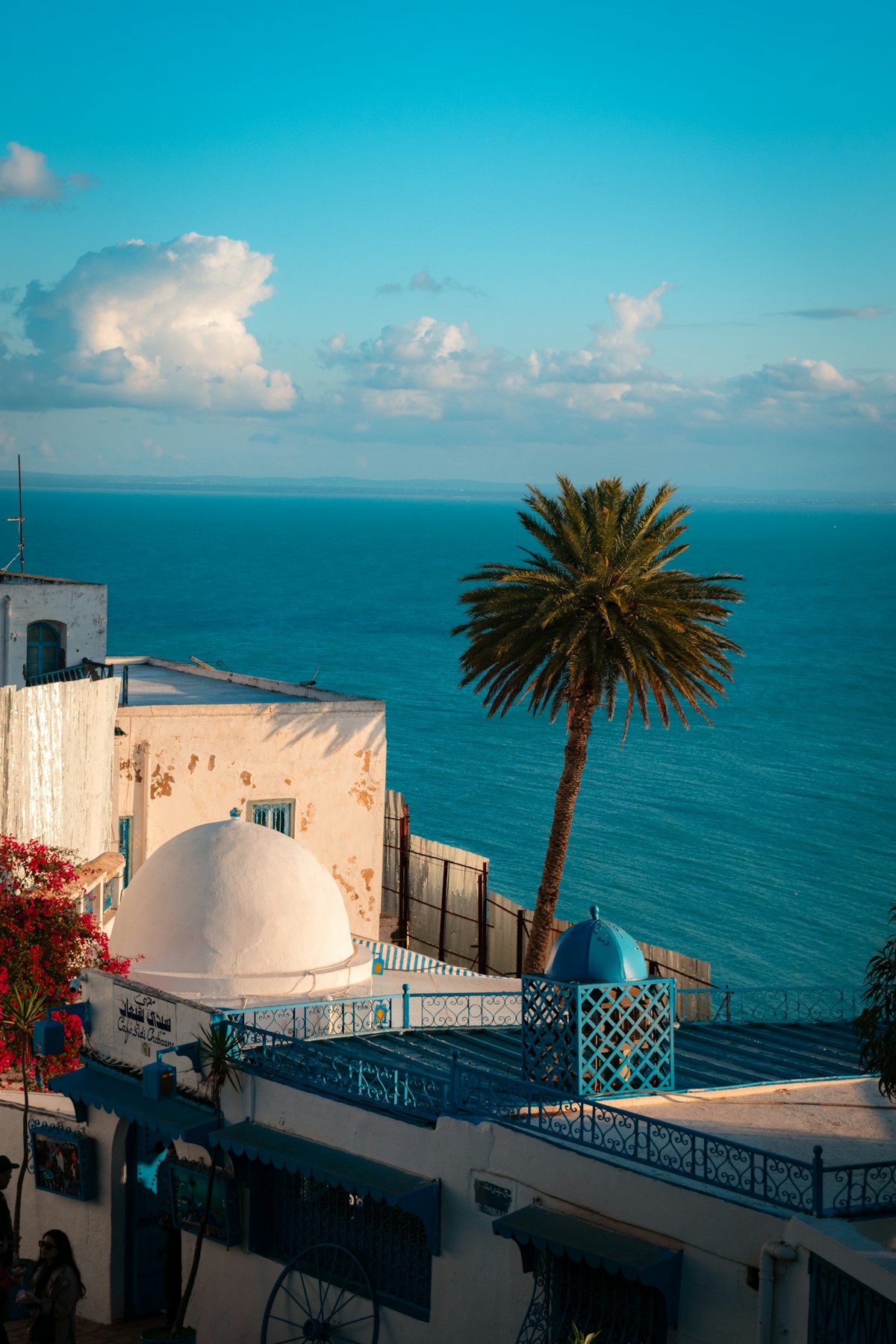
Tunisia is a genuinely rewarding destination for solo travellers. It is compact enough to cover the highlights in two weeks, has functioning intercity transport, and offers a combination of Mediterranean coast, UNESCO medinas, and Saharan desert that few countries in this price range can match. The solo travel experience is not friction-free — some areas require more preparation than others — but the infrastructure is there and the rewards are real.
Is Tunisia good for solo travel?
Tunisia is more developed for independent tourism than most of North Africa. The train and louage (shared taxi) network connects the main tourist centres reliably. Accommodation ranges from budget hostels to boutique riads, with clear international booking options. Entry is straightforward for most nationalities — no visa required for EU, UK, and US passport holders for stays under 90 days.
The country’s geography works in a solo traveller’s favour. Tunis is a practical base that rewards a few days of exploration without feeling overwhelming. From there, day trips and overnight options radiate south and east. Prices are low by Mediterranean standards: a good meal rarely exceeds 20–30 TND (approximately $6–10 USD as of 2026), and intercity louages cost a few dinars.
The solo experience is increasingly common. European and North American solo travellers are a visible presence in Sidi Bou Said, Djerba, and the Sahara gateway towns. It is not unusual to find informal groups of solo travellers at well-rated guesthouses.
Safety for solo travellers
Tunisia is broadly safe in the established tourist areas. The main precautions are standard for any North African country: pre-book airport transfers for first arrivals, keep valuables secured in busy markets, and check current government advisories before travel.
Specific areas to avoid are clear: the border zone within 20 km of Libya (southeastern Tunisia), the border zone within 20 km of Algeria (western Tunisia), and the Chaambi Mountains area near Kasserine. None of these overlap with tourist itineraries. Tozeur and Douz, the main desert gateways, are not in any restricted zone.
Tourist police are a visible presence at major sites — Carthage, Kairouan, El Jem, the Bardo Museum — following increased security investment after 2015. Petty crime (overcharging taxis, informal guide attachment) is more of an irritant than a danger. The practical counter: use Bolt ride-hailing in Tunis, agree taxi prices before departure in other cities, and say a confident “la, shokran” (no, thank you) to persistent medina guides.
Solo female travel in Tunisia
Solo female travellers do visit Tunisia and have positive experiences — with some honest caveats. Persistent verbal attention in medinas is the most commonly reported issue, particularly in Kairouan, Sousse, and busier parts of the Tunis medina. This ranges from unwanted comments to persistent following.
Practical measures that make a consistent difference:
- Dress modestly in traditional areas — shoulders and knees covered. This is respectful and does noticeably reduce attention.
- Walk with purpose. Hesitation invites persistent approach.
- Avoid walking alone in medina areas after dark. The same streets that are busy and fine at noon are a different experience at midnight.
- Book guided medina walks for places like Kairouan rather than navigating solo on a first visit — local operators give you a point of contact and reduce approach from unaffiliated guides.
- Stay in riads and guesthouses with specific reviews from solo female travellers. The accommodation makes a real difference.
Tunis, Sidi Bou Said, Hammamet, and Djerba are considerably more relaxed than the interior cities. Many solo female travellers rate Djerba especially highly — the island atmosphere and established resort infrastructure make it an easier base. Tunisia is not uniquely difficult for solo women by North African standards, and the experience is very much shaped by where you go and how you move around.
How to meet people in Tunisia
Tunisia’s social culture creates natural points of connection for solo travellers:
Sidi Bou Said cafe culture. The clifftop cafes in Sidi Bou Said — Café des Nattes is the best-known — are where solo travellers from across Europe congregate. The setting encourages lingering and conversation in a way that feels organic rather than forced.
Cogite coworking space, Tunis. Located in the Lafayette neighbourhood, Cogite is the main digital nomad hub in Tunis. Events, good coffee, and a community of local and visiting remote workers make it a reliable point of contact for longer stays.
“Expats in Tunisia” Facebook group. Active community of long-term expats and travellers. Useful for asking location-specific questions and occasionally flagged meetups.
Surf and kite community. Djerba and Hammamet have established surf and kite schools. Lessons automatically put you in a group; the small community means you encounter the same people across different sessions.
Hammam culture. Public hammams are genuine social institutions in Tunisia, not tourist performances. Many operate mixed or women-only sessions. Going with a locally recommended hammam (ask your riad) rather than a tourist-marketed option gives you a real cultural experience and, often, conversation.
Couchsurfing Tunis meetups. The Couchsurfing community in Tunis organises periodic meetups in central Tunis cafes. These attract a mix of local young professionals and visiting travellers.
Dive clubs in Tabarka. Tabarka’s dive clubs are small and community-oriented. A few days of dives and you will have met most of the regular crew — local and foreign.
Best bases for solo travellers
Tunis. The practical starting point for most itineraries. The medina, Bardo Museum, Carthage, and Sidi Bou Said are all accessible. The metro and Bolt make the city navigable without relying on taxis. Accommodation ranges from budget hostels to characterful medina riads. See our Tunis destination guide for specifics.
Djerba. The island’s compact size and resort infrastructure make it beginner-friendly for solo travel. Houmt Souk’s medina is small and manageable. The beach scene is more social than most Tunisian coastal areas. A good choice if you want relaxed days with easy social opportunities.
Hammamet or Sousse. Both are well-developed resort towns with an established tourist infrastructure. Hammamet is slightly smaller and easier to navigate; Sousse has more of a working-city feel alongside the tourist strip. Both suit solo travellers who want a coastal base with day-trip options. For a direct comparison, see our Monastir vs Sousse guide and Hammamet vs Djerba vs Sousse guide to choose your coastal base.
Group tours worth taking
Some itineraries are simply better with a group — particularly the Sahara. A solo overland trip from Douz or Tozeur into the desert requires vehicle hire and logistics that are both expensive and potentially isolating. Joining a Sahara tour puts you with a group automatically, handles logistics, and is often cheaper per head than going alone.
Medina walking tours in Tunis and Kairouan are also worth considering for a first visit — they remove the friction of navigation and unofficial guide pressure, and a good guide adds context that independent wandering misses. Browse Tunisia tours on GetYourGuide for Sahara, medina, and day-trip options with confirmed availability.
Practical solo tips
Louages for intercity travel. Shared taxis (louages) are the most reliable and cost-effective way to move between cities. They depart when full from fixed stations on fixed routes, cost a few dinars, and are used by Tunisians daily. See our louage guide for how to use them.
Budget. Plan for approximately $35–50 USD per day as of 2026 for a mid-range solo trip — this covers accommodation, meals, transport, and entry fees. Budget travellers can come in closer to $25 in a hostel or cheap riad. Organised tours are extra.
Cash economy. Outside of four-star hotels and international chains, Tunisia is largely cash-based. ATMs are reliable in Tunis and the main cities; carry enough cash when heading to Tozeur, Douz, or Matmata where machines are fewer.
SIM card. Pick up a Tunisian SIM on arrival at Tunis-Carthage airport — Ooredoo and Telecom Tunisia both have kiosks in the arrivals hall. A local data SIM is cheap (around 10–15 TND as of 2026) and makes navigation and translation considerably easier. Alternatively, a Tunisia eSIM activated before departure means data from the moment you land — useful for meeting points and airport navigation.
Travel insurance. Non-negotiable for solo travel. EHIC and GHIC do not apply in Tunisia. A policy covering medical emergencies and repatriation is essential — get travel insurance for Tunisia before you go.
Best time to go solo
March to May and October to November are the strongest windows for solo travel in Tunisia. See our best time to visit Tunisia guide for a full month-by-month breakdown of conditions across the country. Temperatures are comfortable across the country (including the south), accommodation prices are reasonable, and there are more independent travellers moving through the system — meaning easier connections in cafes, guesthouses, and on group tours.
July and August are hot (38°C+ in the south), expensive in coastal resorts, and dominated by package tourism rather than independent travel. December to February is quiet, cheap, and cold at altitude — workable but a different experience. For the best combination of weather, crowd levels, and social opportunity, late April and early October hit the mark.
Plan Your Trip
✈️ Book your flights to Tunisia 🛡️ Get travel insurance 📱 Stay connected with an eSIM 🚗 Rent a car
Frequently Asked Questions
- Is Tunisia good for solo travel?
- Yes. Tunisia has solid transport infrastructure, a compact and varied geography — coast, medinas, Sahara — and an established tourist trail. Solo travellers regularly cover the country in 10–14 days using louages and trains. The main adjustment is learning to navigate medina touts and, for women, managing persistent attention in some areas.
- Is Tunisia safe for solo female travellers?
- Solo female travellers do visit Tunisia successfully, but the experience varies by location. Tunis, Sidi Bou Said, Hammamet, and Djerba are notably more relaxed than the interior medinas of Kairouan or Sousse. Dressing modestly (shoulders and knees covered) in traditional areas and avoiding walking alone late at night in medinas significantly reduces unwanted attention.
- How much does solo travel in Tunisia cost per day?
- A comfortable solo budget runs approximately $35–50 USD per day as of 2026, covering a mid-range guesthouse or hotel, three meals, local transport, and entry fees. Budget travellers staying in hostels or cheaper riads can come in closer to $25. Organised desert or Sahara tours are an additional cost — typically $80–150 USD per day including accommodation.