Things to Do in Nabeul
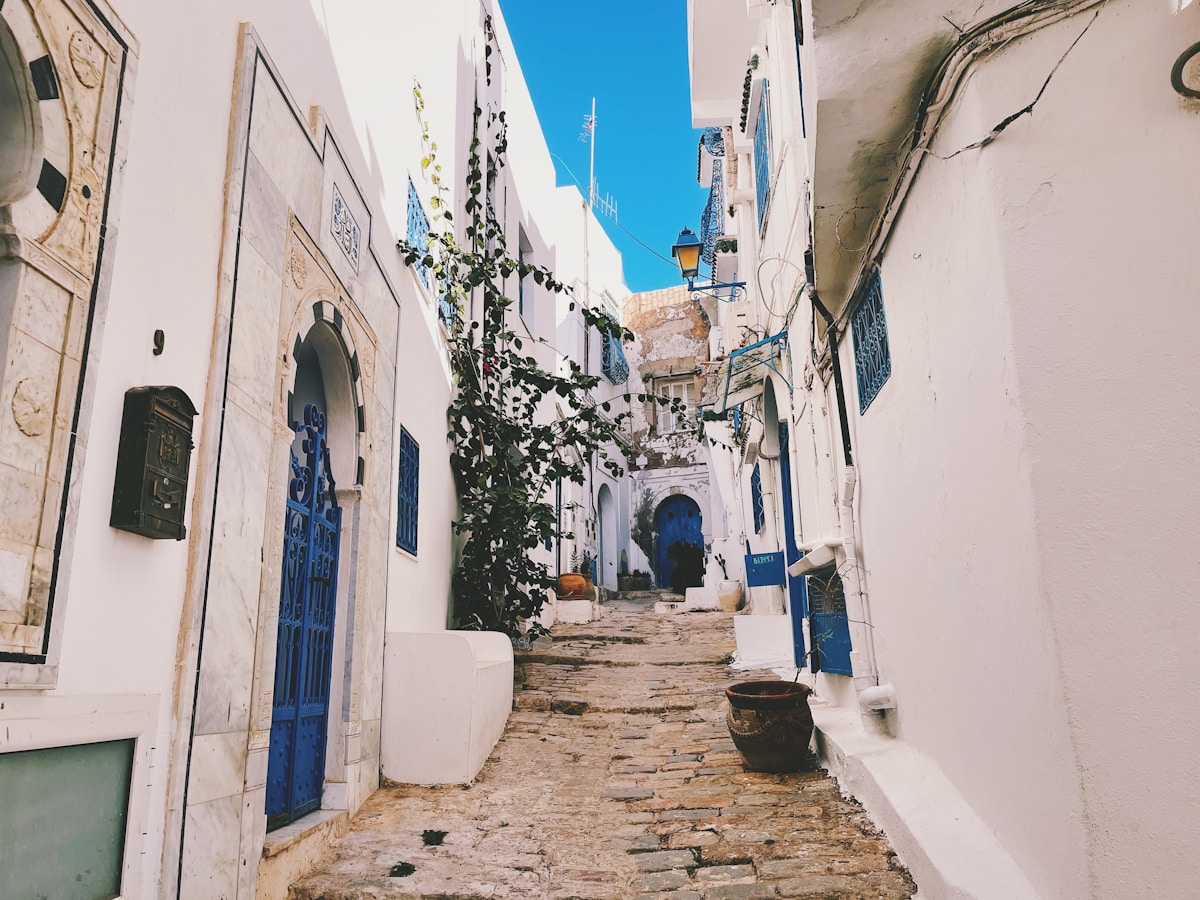
Nabeul is the commercial and administrative capital of the Cap Bon Peninsula and Tunisia’s most important centre for ceramic production. The city is workmanlike rather than picturesque, but it has a genuinely productive craft industry, a weekly market that draws the whole peninsula, and archaeological material from a Roman city that is still being excavated beneath its streets. It also sits at the northern tip of a coastal strip that includes Hammamet 12 km to the south — making the two natural companions in any Cap Bon itinerary.
Browse the Friday market
Nabeul’s Friday market is the most important weekly market on the Cap Bon Peninsula and one of the busiest craft and produce markets in northeastern Tunisia. It runs from early morning until mid-afternoon in a large open-air site on the western edge of the city centre.
The pottery and ceramics section is the main reason tourists come, but the market is genuinely mixed: alongside hand-painted plates, bowls, and decorative tiles, there are stalls selling spices, dried herbs, dates, local honey, olive oil, woven blankets, and leather goods. Prices are significantly below what you will pay in Tunis or at resort shops in Hammamet.
The best time to arrive is 08:00–10:00, before the day-trip coaches from Hammamet and the resorts arrive. By 11:00 the crowds are substantial.
Entry: free.
Visit a pottery workshop
Nabeul’s pottery tradition is centred on a district of workshops in the western and southern parts of the city. Several workshops allow visitors to watch production — the wheel-throwing, hand-painting, and kiln-firing stages — and buy directly from producers. This is one of the more interesting craft-production experiences in the country: the workshops are working businesses, not staged demonstrations.
Nabeul pottery is distinctive — the characteristic blue-and-white hand-painted patterns on off-white clay follow a style that draws on Andalusian, Ottoman, and North African influences accumulated over several centuries.
Look for the Rue des Potiers (Pottery Street) in the southern part of the city — the concentration of workshops here is the highest.
Explore the Musée Archéologique de Nabeul
The archaeological museum on Avenue Habib Bourguiba in the city centre has a well-presented collection of Punic and Roman material from the Cap Bon Peninsula, including finds from Kerkouane (the intact Punic city on the northern cape) and from the excavations of Roman Neapolis beneath modern Nabeul.
The Neapolis material is particularly interesting: the city was founded by Greek settlers, later became a major Punic port, and then flourished under Rome as an important centre for garum production (the fermented fish sauce that was the ketchup of the ancient Mediterranean). Garum storage vessels and production infrastructure have been excavated from several sites in and around Nabeul.
Entry: approximately 6 TND as of 2026. Open Tuesday–Sunday, 09:00–17:00.
Visit the Roman Neapolis excavations
Active archaeological excavations of Roman Neapolis are ongoing in the northern part of Nabeul, partly accessible to visitors. The site has yielded significant finds including garum production tanks, a mosaic floor, and structural remains from what was clearly a prosperous Roman port city. The scale of the visible remains is modest compared to sites like Dougga or El Jem, but the ongoing excavation gives it a different kind of energy.
Check with the tourist office or museum for current access arrangements — excavation sites open and close with each field season.
Day trip to Hammamet
Hammamet is 12 km south of Nabeul on the coast and is the natural complement to any Nabeul visit. The old medina and kasbah at Hammamet are in better condition than Nabeul’s equivalent, the beach is long and well-maintained, and the resort zone at Yasmine Hammamet has the full range of watersports. For what to see there, see our things to do in Hammamet guide.
Nabeul and Hammamet can easily be covered in a single day trip from Tunis by car or organised tour.
Continue around the Cap Bon circuit
Nabeul is the natural starting point for the full Cap Bon Peninsula circuit. Driving north from Nabeul along the east coast road takes you through Kélibia (with its clifftop fort and fishing port), Kerkouane (the intact Punic city), and El Haouaria at the peninsula tip before looping back down the less-visited north coast.
For the full itinerary and what to do at each stop, see our Cap Bon Peninsula guide and our things to do on Cap Bon page.
Practical information
Getting to Nabeul from Tunis:
- Train: Tunis Centrale to Nabeul, approximately 1.5 hours, around 8 TND as of 2026. Several services daily.
- Car: approximately 70 km via the GP2 highway, around 1 hour.
- Louage: shared taxis from Tunis Bab Alioua station, approximately 1 hour.
When to go: year-round for the city and market. The Friday market runs through all seasons. Coastal beach use is practical from May to October.
Getting around: Nabeul’s main sights are within walking distance of each other. Louages run regularly to Hammamet (approximately 15 minutes, 2 TND as of 2026).
Book Tours & Experiences in Tunisia
Find guided day trips, Sahara tours, cultural circuits, and city experiences — all bookable online before you arrive.
Browse tours on GetYourGuide →Best price guaranteed — same price as booking direct. We earn a small commission at no extra cost to you.