First Time in Tunisia: Everything You Need to Know
Tunisia is one of Africa’s most accessible destinations — a 2–3 hour flight from most European capitals, visa-free entry for most Western passports, and a remarkable range of experiences packed into a relatively small country. For first-time visitors, here is what matters most.
Why Tunisia
- Roman archaeology on a par with Italy (El Jem, Dougga, Sbeitla) — usually empty of tourists
- The Sahara Desert is accessible from Tunis in a 6-hour drive
- Medinas of Tunis, Sousse, Sfax, and Kairouan: living medieval Islamic cities
- Mediterranean coast: 1,300 km of beaches, from resort towns to wild stretches
- Exceptional food — couscous, brik, lamb tagine, harissa — see our Tunisian food guide for what to eat and where
- One of the safest North African countries for independent travel
Best Regions for First-Timers
Tunis and the north (2–3 days): The capital’s medina (UNESCO-listed), Sidi Bou Saïd, and the ruins of Carthage. Use Tunis as your base.
Central coast (2–3 days): Hammamet and Sousse are the main coastal resort towns. Kairouan — the fourth holiest city in Islam — is a half-day from either.
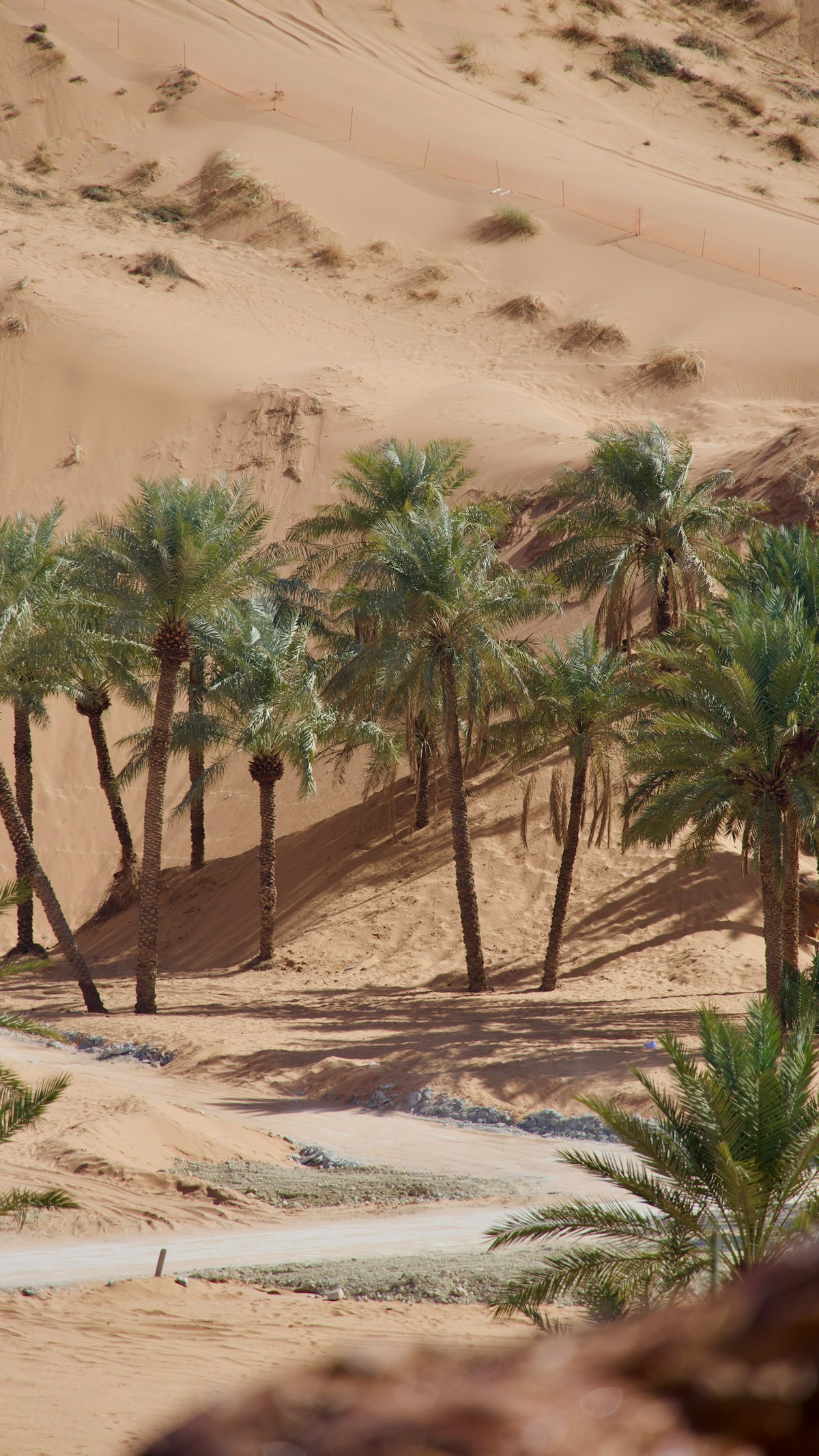
The south and Sahara (2–3 days): Tozeur, Douz, and the Chott el-Djerid salt lake. The Sahara dunes at Ksar Ghilane and the troglodyte villages of Matmata.
Djerba island (optional, 2–3 days): Tunisia’s main island, known for its beaches, Jewish heritage sites, and slower pace.
Getting Around
Pre-booked airport transfers: The easiest option for arriving in Tunis. Welcome Pickups offers fixed-price private transfers from Tunis-Carthage airport with a named driver meeting you at arrivals — no meters, no negotiating on arrival.
Hire car: The most flexible option. Roads between major cities are good. A car is essential for the south and for visiting rural archaeological sites. See our car rental guide, or compare options directly via car hire in Tunisia.
Louages (shared taxis): The main transport mode for Tunisians between cities. Faster than buses, depart when full, and cheap. Practical for many routes. See the louage guide.
Train: Connects Tunis with Sousse and Sfax (and south via the Metlaoui line). Comfortable for the northern coastal route.
Buses: SNTRI operates long-distance routes covering the whole country. Slower than louages but comfortable.
Costs
Tunisia is very affordable by European standards. A mid-range daily budget:
- Accommodation: 80–150 TND (£25–50) for a comfortable guesthouse or hotel
- Food: 20–40 TND per day eating in local restaurants
- Car hire from Tunis: from 80 TND/day
See the full Tunisia budget guide for detailed cost breakdown.
Safety
Tunisia is one of the safer North African countries. See the is Tunisia safe guide for full context. Standard precautions apply: keep valuables secure, be alert in busy medinas, and use trusted guides for desert excursions. If you are planning to travel alone, our solo travel guide for Tunisia covers the best bases, how to get around independently, and how to meet other travellers on the road.
The Medina Souk Experience
Tunisia’s covered souks (markets) are an important part of the experience — and involve a degree of salesmanship that surprises some first-time visitors. You are under no obligation to enter shops or buy anything. “La shukran” (no, thank you) is sufficient. Being firm but polite is more effective than ignoring. Once you’ve navigated this dynamic, the medinas are extraordinary places. Before you pack, see our Tunisia packing list for what to bring across beach, medina, and desert environments.
Key planning resources
A few guides that help fill out the first-time picture:
- Tunisia visa requirements — who can enter visa-free and what the 90-day rules mean in practice
- Hammamet vs Djerba vs Sousse — which coastal resort suits your trip style
- Basic Arabic phrases for Tunisia — the words and phrases that genuinely help in medinas and markets
- Tunisia budget guide — detailed cost breakdown for accommodation, food, and activities
- Ramadan in Tunisia — what changes during Ramadan and how to plan around it
- Tunisia vs Morocco — for travellers deciding between the two North African destinations
Before you travel, sort travel insurance for Tunisia and a Tunisia eSIM — both are easier to organise from home than on arrival.
Plan Your Trip
✈️ Book your flights to Tunisia 🛡️ Get travel insurance 📱 Stay connected with an eSIM 🚗 Rent a car
Frequently Asked Questions
- Is Tunisia easy to visit independently?
- Yes. Tunisia is one of the more accessible North African destinations for independent travel. English and French are widely spoken in tourist areas, infrastructure is reasonable, and the country is compact enough to cover key sites within 7–14 days.
- Do British or American citizens need a visa for Tunisia?
- No. UK, US, EU, Canadian, and Australian passport holders can enter Tunisia visa-free for stays of up to 90 days. A valid passport is required — no visa application needed in advance.
- Is Tunisia a good destination for solo female travellers?
- Tunisia is manageable for solo female travellers with normal precautions. Harassment can occur in medinas and souks — firm but polite responses are generally effective. Dressing modestly outside beach resort areas is advisable. Many women travel solo in Tunisia without significant issues.
- What currency does Tunisia use?
- Tunisia uses the Tunisian Dinar (TND). It is a closed currency — you cannot obtain dinars before arriving in Tunisia. Exchange at the airport on arrival or use an ATM. Take note: legally you cannot export dinars, so spend or exchange back any remaining currency before departure.